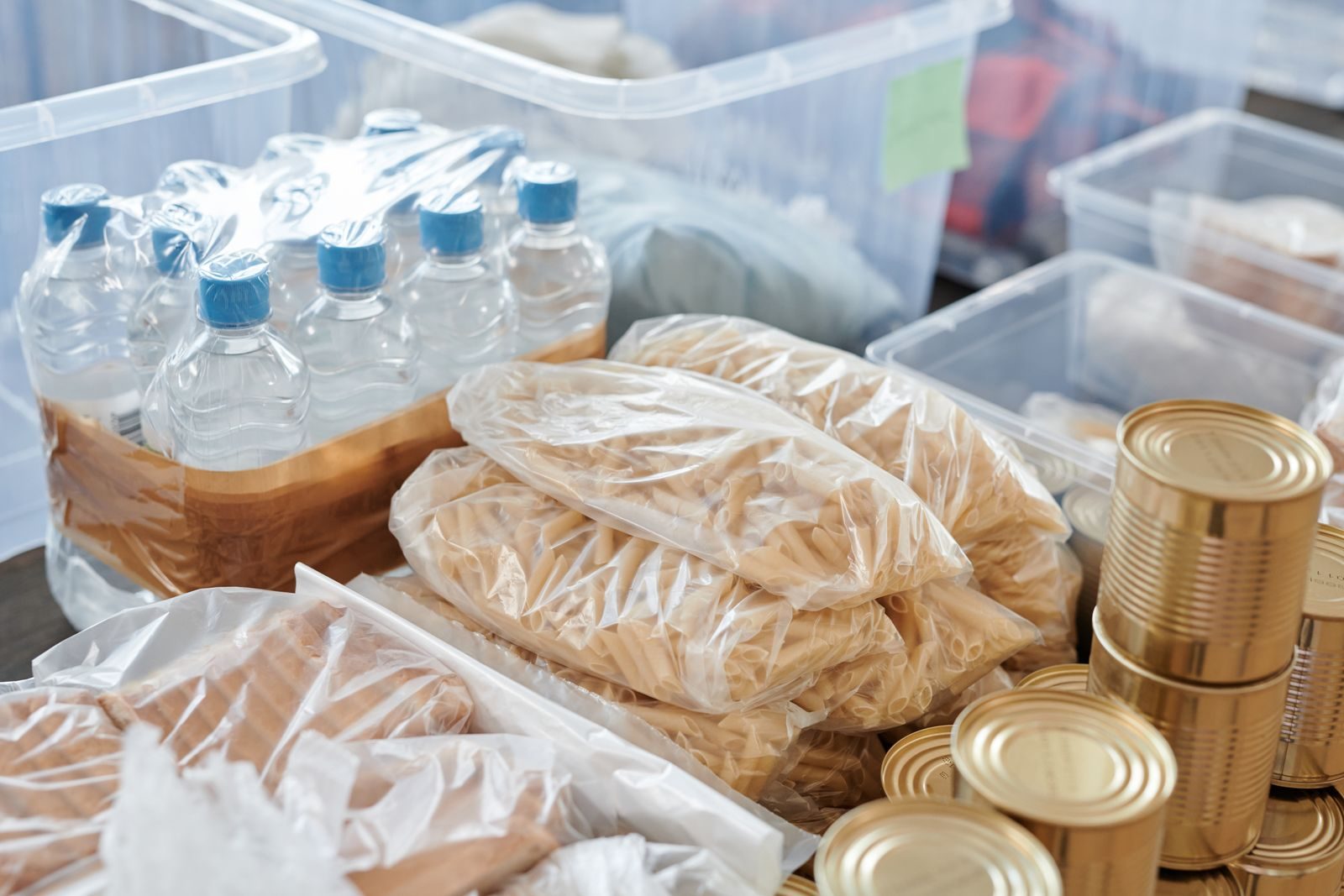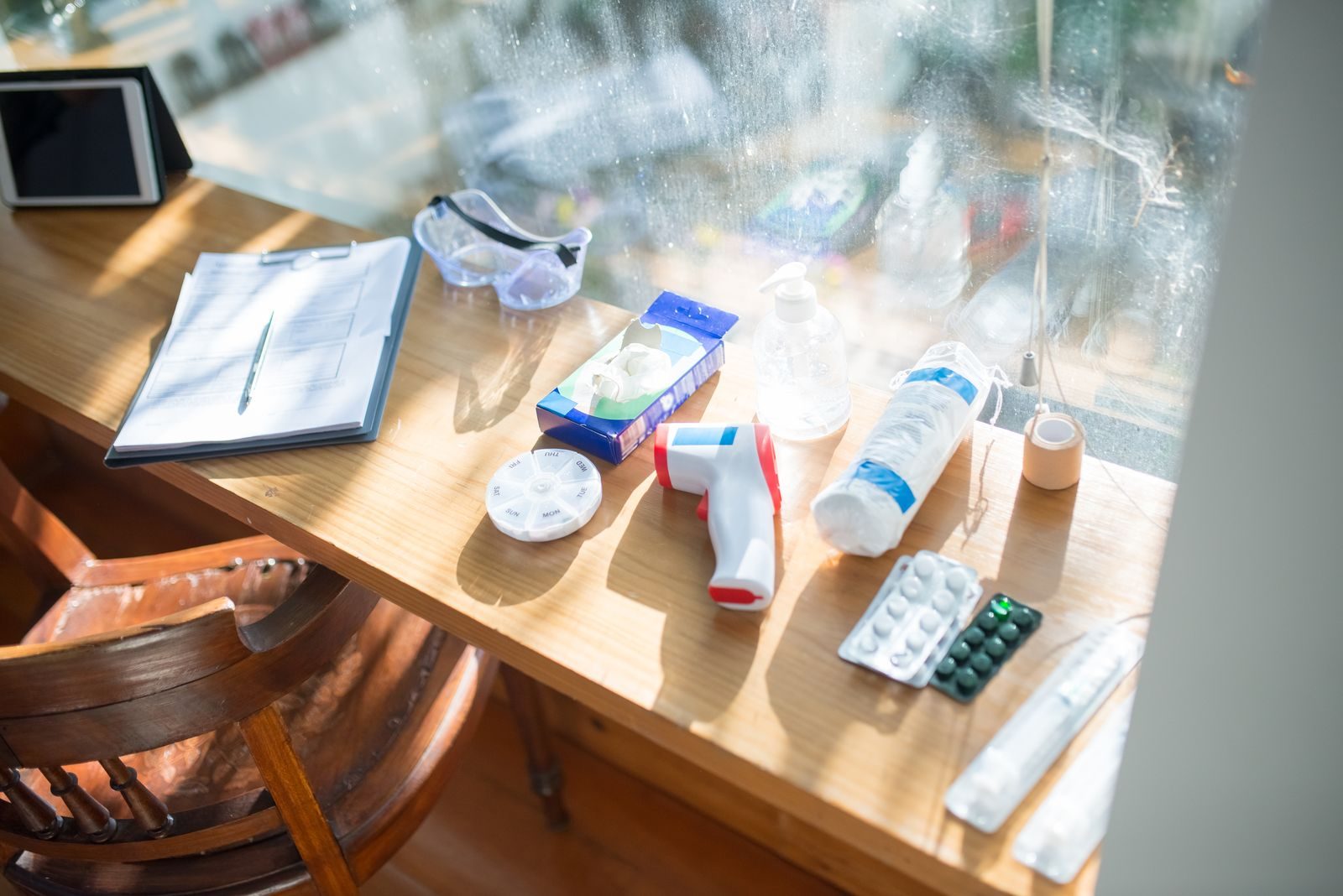
If the sewer works but the taps don’t, flush the toilet by pouring in a bucket of saved water. If nothing flushes, line the bowl with two bags and a scoop of kitty litter, and plan about 2 bags per person per day. Add a week of every prescription and a stocked first aid kit, and the health side of your kit is done.
When the toilet needs help
The toilet becomes a problem when the water stops. Homes on a well lose the pump with the power, and so can upper floors of buildings whose water pumps need electricity. Health Canada advises well owners to avoid running water, showering or flushing during an outage.
Flushing with a bucket
US federal standards cap toilets at 1.6 gallons (6 L) a flush, and older models use up to 6 gallons (EPA WaterSense). If the drains still work, pour about 1.5 to 2 gallons (6 to 8 L) quickly into the bowl and it will flush. Use water you’ve already washed with, not drinking water: one flush is more than a person’s whole daily ration.
The bag-and-litter toilet
When nothing can be flushed, NC DHHS and Public Health Seattle and King County describe the same setup:
- Turn off the water valve to the toilet and flush once to empty the bowl.
- Line the bowl with two heavy-duty garbage bags, one inside the other.
- Put kitty litter, sawdust or fireplace ash in the bottom to soak up liquid and smell.
- At the end of each day, tie the bag securely and move it to a lidded bin outside, away from children and pets.
- Set up hand washing right next to the toilet.
A 5-gallon bucket lined the same way works too, and a snap-on toilet seat lid makes it easier to use. Used bags go out with the regular garbage only if your city says so (King County).
How many bags
We plan 2 uses per person per day when you can still flush pee with a bucket of used water, and 5 when nothing can be flushed. The Cleveland Clinic puts the average at about seven trips a day, so bags go faster than people expect. The minimum is 20 uses, about one small pack.
| Household | Working | Toilet bags |
|---|---|---|
| 2 adults, 3 days, can bucket-flush | 2 × 3 × 2 = 12, below the minimum | 20 |
| Family of 4, 7 days, can bucket-flush | 4 × 7 × 2 | 56 |
| Family of 4, 7 days, nothing flushes | 4 × 7 × 5 | 140 |
| Family of 4, 7 days, lined bucket changed daily | 2 heavy-duty bags × 7 days | 14 heavy-duty bags |
Add a 20 lb (9 kg) bag of clumping kitty litter per week, and toilet paper at 1 roll per person per 3 days, with at least 4 rolls. The health step of the kit builder works out the bags for your household.
Keeping clean without running water
Soap and water come first. When you can’t wash, the CDC says to use hand sanitizer with at least 60% alcohol, but it doesn’t work well on hands that are visibly dirty or greasy, so wipe those first. Plan about 250 mL (8 oz) of sanitizer per 2 people per week.
A large body wipe per person per day stands in for a shower: 4 people × 7 days = 28 wipes. Ready.gov’s kit list includes moist towelettes, garbage bags and plastic ties for personal sanitation. Add a box of disposable gloves for first aid and toilet clean-up, and menstrual supplies for anyone who needs them.
First aid kit basics
A ready-made kit is a good start. The American Red Cross kit for a family of four includes:
- 2 absorbent compress dressings (5 × 9 in)
- 25 adhesive bandages in assorted sizes
- 1 roll of adhesive cloth tape (10 yd × 1 in)
- 5 antibiotic ointment packets and 5 antiseptic wipe packets
- 2 packets of aspirin and 2 of hydrocortisone
- An emergency blanket and an instant cold compress
- Non-latex gloves, scissors, tweezers and a first aid booklet
The Canadian Red Cross list adds gauze pads, roller and triangular bandages, safety pins, a thermometer, eye patches, a pocket mask or face shield, and a flashlight with its batteries in a separate bag. It suggests checking the kit every 6 months and replacing anything expired, damaged or used. Add adult and children’s pain and fever reliever, and spare glasses for anyone who wears them.
Medicines
Keep at least a week of every prescription. The CDC says at least a 1-week supply, and Public Safety Canada suggests a couple of weeks if possible. Keep it in a waterproof, childproof container with a written list of each medicine, dose, how often it’s taken, allergies and medical supplies. Ask your doctor or pharmacist how to build the spare, and in the US, learn your state’s emergency refill law (CDC).
Medicines that need the fridge are the hard part. The CDC says to throw them away once the power has been out a day or more, unless the label says otherwise. Insulin is the one most people ask about: the FDA says vials and cartridges, opened or not, can stay unrefrigerated between 59 and 86°F (15 and 30°C) for up to 28 days. Don’t use insulin that has frozen, and keep it out of direct heat and sun. A cooler bag with two gel packs works for other cold medicines, as long as insulin doesn’t touch the ice.
If a life depends on it, keep using it
If someone’s life depends on a refrigerated medicine, the CDC says to keep using it until a new supply is available, then replace it. For powered medical equipment, make an outage plan with the care provider (Ready.gov, Public Safety Canada). Utility medical lists give notice of planned outages but don’t promise faster restoration.
Wildfire smoke and masks
Smoke can come with or without an outage. Canada’s 2023 fire season burned more than 17 million hectares, over double the previous record. If smoke rolls in, close the windows and live in an interior room with few windows and doors, such as a bedroom (AirNow).
Outdoors, wear a respirator marked NIOSH and N95 or P100 (EPA); the Public Health Agency of Canada also accepts KN95 or KF94. Cloth and surgical masks don’t protect enough. Fit it snugly and swap it when it’s dirty, damp, damaged or harder to breathe through. It filters particles but not the gases in smoke, and it can add to heat stress (PHAC). We plan about one per adult every other day, with a box of 5 at least: 2 adults × 4 (7 days ÷ 2, rounded up) = 8 masks.
Children 2 and older can wear respirators, the EPA says, but NIOSH-approved ones don’t come in sizes for young children. PHAC says they aren’t for children under 2, for anyone who has trouble breathing in one or needs help taking it off, or for sleeping in. Keep young children in the clean room instead.
A box fan with a high-efficiency home air filter makes a simple air cleaner (CDC). Health Canada advises a clean box fan from 2012 or later with a safety fuse, regular filter changes, since clogged filters can overheat the fan, and never leaving children alone with it running. A box fan draws 55 to 250 W, so in an outage it needs a power station or generator.
Sources (26)
- NC DHHS, Toilet use during an emergency
- Public Health Seattle and King County, Emergency toilets
- EPA WaterSense, Residential toilets
- Mr. Rooter, How to flush a toilet when the water is off
- Cleveland Clinic, How often should you pee?
- Health Canada, Well water safety during and after emergencies
- CDC, About hand sanitizer
- Ready.gov, Build a kit
- American Red Cross, Anatomy of a first aid kit
- Canadian Red Cross, First aid kit contents
- CDC, Building an emergency kit (people with disabilities)
- CDC, Prepare Your Health: prescriptions
- CDC Stacks, Prepare Your Health: personal health preparedness
- Public Safety Canada, Emergency kits
- CDC, What to do to protect yourself during a power outage
- FDA, Insulin storage and switching between products in an emergency
- Ready.gov, Power outages
- Public Safety Canada, Power outages: how to prepare
- MidAmerican Energy, Life support equipment
- EPA, Protect yourself from wildfire smoke and ash
- Public Health Agency of Canada, Using a respirator mask during wildfire smoke events
- AirNow and EPA, Wildfire Smoke: A Guide for Public Health Officials
- CDC, Five steps to help your patients stay safe on hot days
- Health Canada, Wildfire smoke: protecting your physical and mental health
- CIFFC, Canada Report 2023
- Virginia Cooperative Extension, Estimating appliance and home electronic energy use
Turn the advice into a shopping list
Tell us who lives at home and how many days you want to cover. We work out the amounts, you pick what to buy and what you already have.
Build a kit for your household
About 5 minutes. We work out the amounts for you.