Your furnace needs electricity even if it burns gas, so in a winter outage the house starts cooling straight away. The plan is to live in one room, dress in layers, sleep under real bedding and use only heat that is safe indoors. Most outages are over within a day, and the same habits carry you through the long ones.
Two storms worth remembering
In January 1998, the ice storm left nearly 1.4 million Québec households without power, and Hydro-Québec reconnected its last customer about a month after the storm began. More than 230,000 customers in eastern Ontario lost power too.
In February 2021, a winter storm in Texas was linked to 246 deaths. The state health department found 158 were from hypothermia, 19 from carbon monoxide and 10 from fires, some started by space heaters too close to bedding or furniture. Not wearing enough layers was one of the risk factors. The steps below cover all three: keeping warm indoors, keeping fuel-burning equipment outside and giving heaters room.
Live in one room
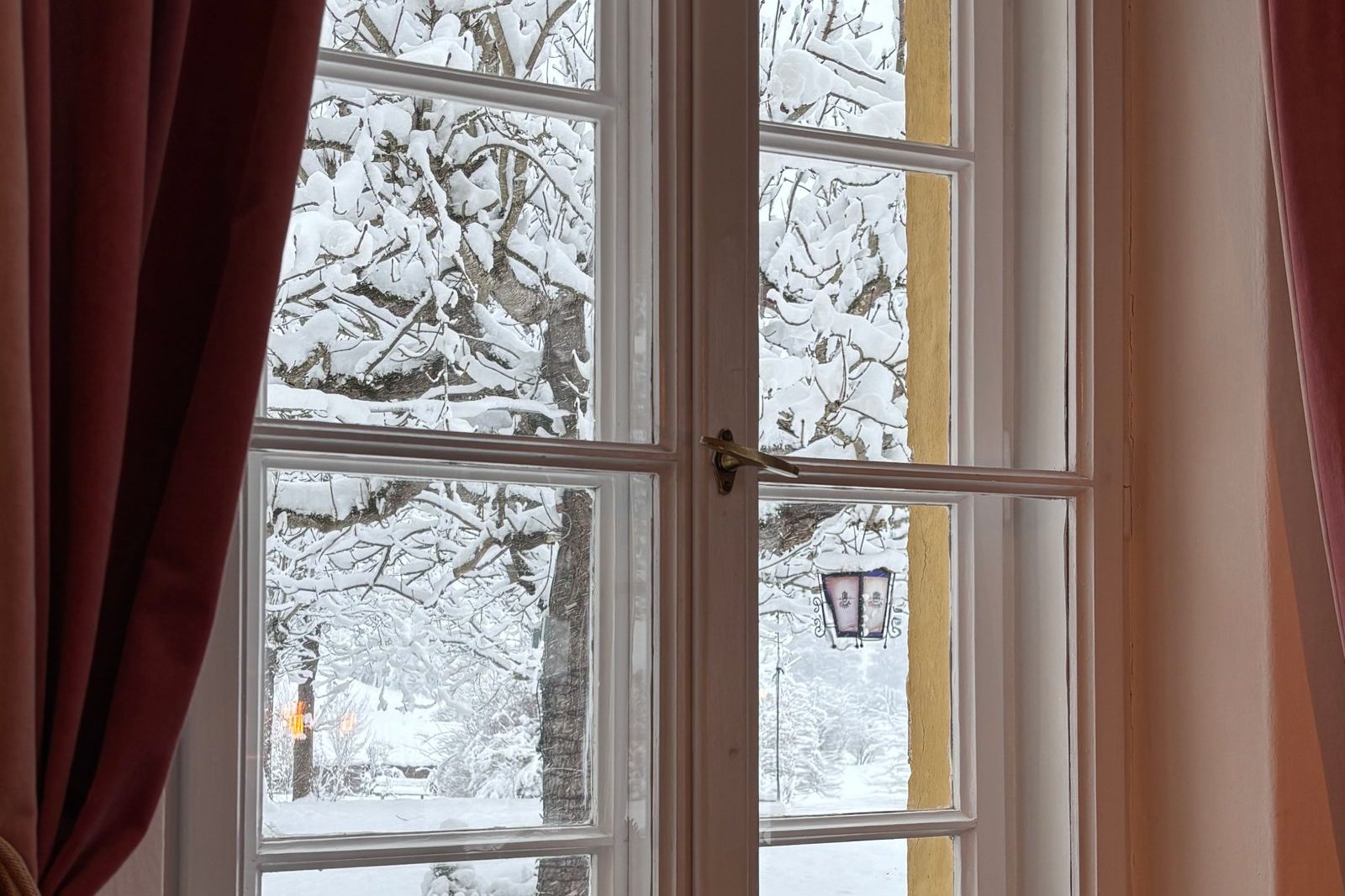
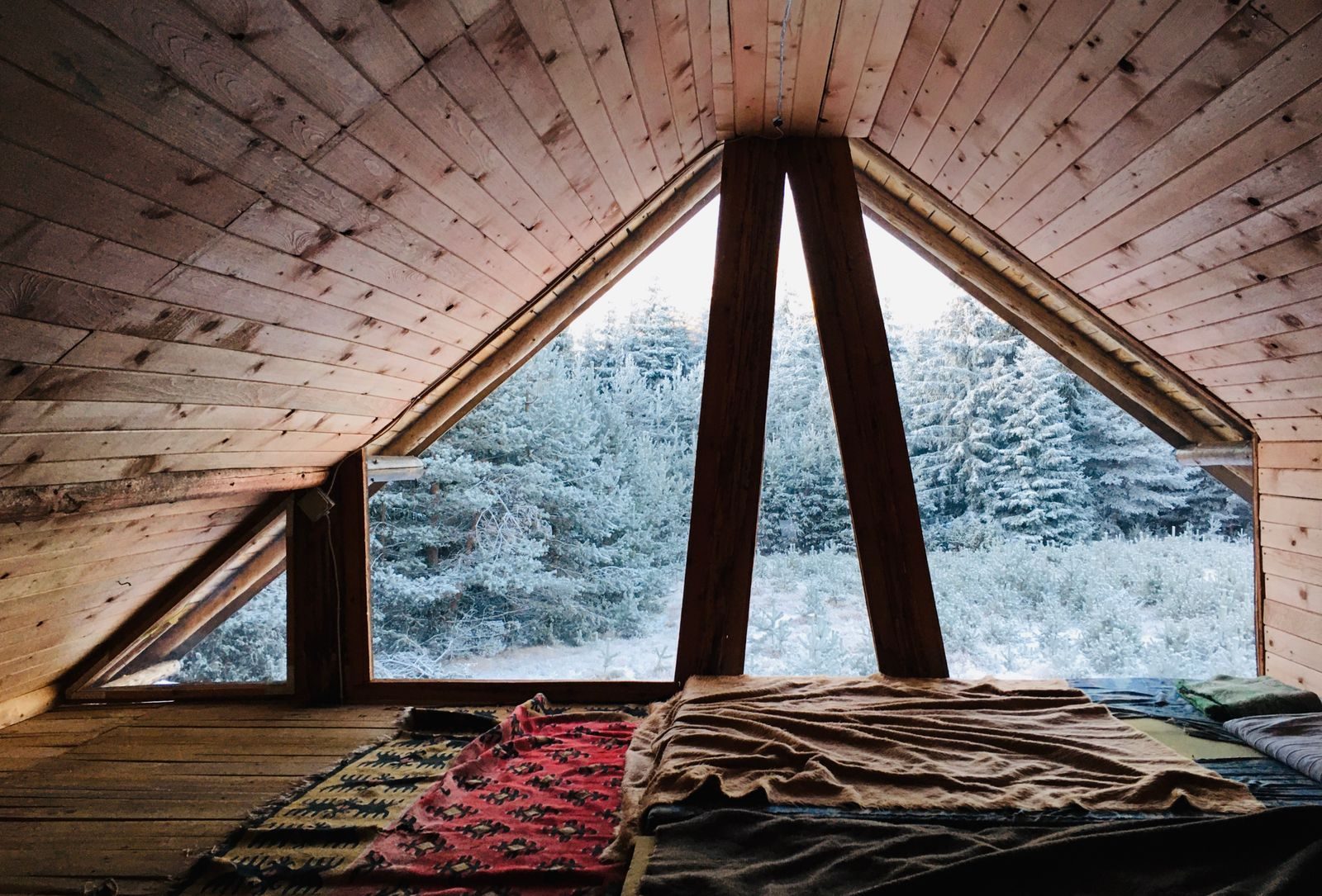
Pick a small room with few windows, on the sunny side if you can. Close the door and roll a towel or draft stopper along the bottom. The CDC suggests closing off rooms you don’t need and covering windows with blankets or heavy curtains at night. Open them to the sun by day.
The US Department of Energy says heat gain and loss through windows accounts for 25% to 30% of home heating and cooling energy. Shrink film on the windows of your warm room cuts drafts, and one kit usually covers several windows.
Layers, bedding and sleep
Dress the way the CDC suggests: a moisture-wicking layer against the skin, an insulating middle layer and a wind- and water-resistant outer layer. Wool or synthetic beats cotton next to the skin. Add a knit hat and warm socks, and keep them on in bed.
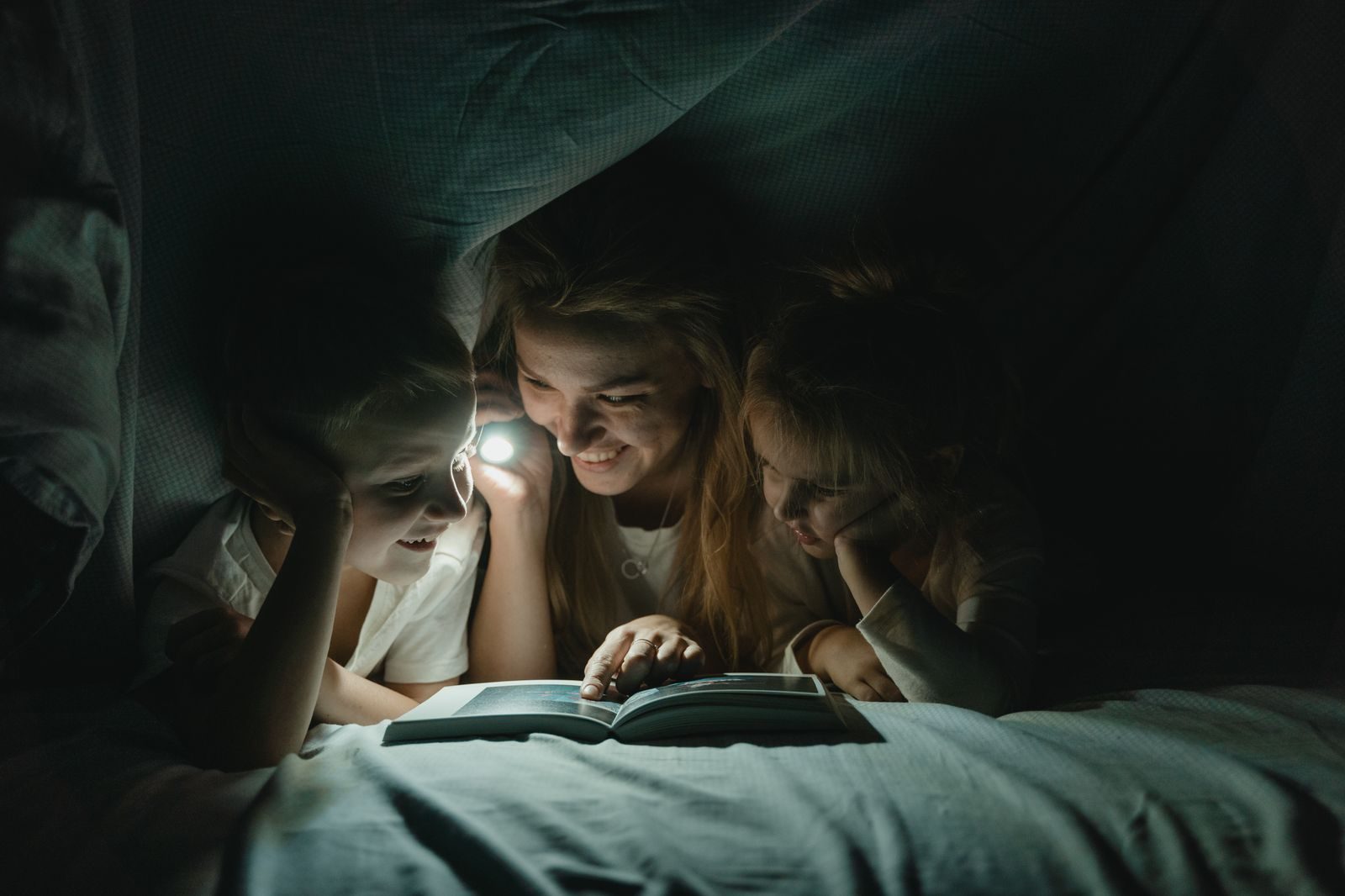
Plan one warm blanket or sleeping bag per person, as Ready.gov and Public Safety Canada both advise. A sleeping bag rated around 20°F (−7°C) keeps a sleeper warm in an unheated house. Mylar emergency blankets are a backup, not bedding.
If you have a power station, a low-watt heated blanket is a far better use of it than a heater. A double electric blanket is rated at about 100 W and a single at 60 W, so one bed takes roughly 250 to 400 Wh a night on low. A 1,500 W space heater would empty a 1,000 Wh station in about 34 minutes (1,000 × 0.85 ÷ 1,500 = 0.57 hours).
Standard disposable hand warmers give up to 10 hours of heat, and larger super warmers up to 18. Plan one pair per person per day and keep them in pockets or gloves, not on bare skin. Sealed, they keep for years.
A week of warmth for a family of five
For 2 adults, 2 children and a baby over 7 days:
| Item | Working | Amount |
|---|---|---|
| Warm blankets or sleeping bags | 4 people × 1 | 4, plus a sleep sack for the baby |
| Hand warmers | 4 people × 7 days × 1 pair | 28 pairs, so one 40-pair box |
| Heated blanket, double | 1 bed × about 400 Wh a night | 400 Wh a night from a power station |
| 1 lb propane cylinders (US indoor-rated heater only) | 7 nights × 4 hours ÷ 6 hours per cylinder on low | 5 cylinders |
The winter kit in our builder starts from these sums, with sleeping bags, hand warmers, a heated blanket, window film and a power station of about 1,000 Wh.
Heat that is safe indoors, and heat that isn’t
A natural gas fireplace can keep a room warm until the power is back, Public Safety Canada says. The CDC says fireplaces, wood stoves and other combustion heaters are fine only if they are properly vented to the outside.
Electric space heaters need power, so they help only with a generator or once the grid is back. They also account for most heating fire deaths: space heaters and heating stoves are behind 30% of US home heating fires but 73% of the deaths, according to the NFPA. The habits that prevent this:
- Keep 3 ft (1 m) clear between the heater and beds, curtains and furniture, and stand it on a level surface (CPSC).
- Plug it straight into a wall outlet, not a power strip (CPSC).
- Turn it off when you leave the room or go to bed, and choose one with tip-over shut-off (Seattle Fire Department).
Propane heaters: the US and Canada differ
Some small propane heaters are sold as safe indoors. Mr. Heater’s Portable Buddy, for example, has low-oxygen and tip-over shut-offs and is CSA-certified for indoor use in the US, but certified for outdoor use only in Canada. Health Canada says never to use kerosene, propane or oil space heaters in enclosed areas unless they are designed for indoor use. In Canada, treat these heaters as outdoor equipment.
In the US, use only a heater labelled for indoor use, give it the fresh air its manual asks for, and run a battery CO alarm in the same room. A 1 lb cylinder lasts about 3 hours on high or 6 on low. Store the spares outdoors or in a shed.
Never heat with the oven or anything made for outdoors
The CDC says never to use a gas range or oven to heat a home, and Public Safety Canada agrees: a gas stove can cook, but not heat. Barbecues, camp stoves, charcoal, outdoor heaters and generators stay outside (Health Canada). They all make carbon monoxide. Keep a battery CO alarm outside the bedrooms, and read our guide to generators and carbon monoxide.
Frozen pipes
A house left unheated for days can freeze its pipes, starting with those on outside walls and in unheated basements or crawl spaces. Before winter, find your main water shut-off and make sure it turns; Ready.gov’s kit list includes a wrench or pliers for turning off utilities.
If you leave a house that will stay cold, ask a plumber beforehand how to drain the system. Fill some containers from the taps first: FEMA counts the water in your pipes and hot-water tank as safe to drink.
Babies and older neighbours
Babies lose body heat more easily than adults, and the CDC says infants under one year should never sleep in a cold room. Dress them in warm sleepwear such as footed pyjamas or a sleep sack, and take out pillows and soft bedding. Health Canada notes that babies don’t need extra blankets, which can end up over their heads. Our guide to babies and pets in a power outage has more.
In Texas, 107 of the 158 people who died of hypothermia were aged 60 or older. Check on older neighbours every day of an outage, especially anyone living alone. The CDC’s warning signs of hypothermia in adults are shivering, exhaustion, confusion, fumbling hands and slurred speech. A body temperature below 95°F (35°C) is an emergency: call 911.
When to go to a warming centre
The CDC’s advice is plain: if your home gets too cold, go to friends or a community shelter. Go early rather than late, and especially when:
- your one warm room is no longer warm, even with everyone in it;
- you can’t keep the room where a baby sleeps warm;
- someone shows the warning signs above;
- the only heat left would mean burning fuel indoors;
- someone relies on powered medical equipment and your battery is running low. A warming centre is also a place to recharge a power station.
Local radio will tell you where warming centres are open; Public Safety Canada suggests tuning in during any outage.
Sources (21)
- CDC, Safety guidelines during and after a winter storm
- CDC, What to do to protect yourself during a power outage
- Public Safety Canada, Power outages: how to prepare
- Public Safety Canada, Emergency kit checklist
- Ready.gov, Build a kit
- Health Canada, Carbon monoxide: preventing exposure
- Health Canada, Safe sleep tips
- Public Health Agency of Canada, Dressing your baby for sleep
- NFPA, Home heating safety
- CPSC, As winter storms impact millions, CPSC issues safety tips
- Seattle Fire Department, Heating fire safety tips
- Mr. Heater Portable Buddy information sheet
- Tools ID, Mr. Heater Portable Buddy spec listing
- Texas DSHS, February 2021 Winter Storm-Related Deaths
- Hydro-Québec, Twenty years ago, Québec was battered by an ice storm
- The Canadian Encyclopedia, Ice Storm 1998
- US DOE Energy Saver, Energy-efficient windows
- Virginia Cooperative Extension, Estimating appliance and home electronic energy use
- Jackery, What can Jackery 600 Plus run (runtime formula)
- Walmart, HotHands super warmer listing
- FEMA and American Red Cross, Food and Water in an Emergency
Turn the advice into a shopping list
Tell us who lives at home and how many days you want to cover. We work out the amounts, you pick what to buy and what you already have.
Build a kit for your household
About 5 minutes. We work out the amounts for you.