Without air conditioning, keep the heat out by day, let it out at night and cool your body rather than the room. A fan helps until the room reaches about 90°F (32°C); above that, wet your skin and sit in the breeze, or go somewhere cool for a few hours. Drink before you feel thirsty, and check on anyone who lives alone.
Hurricane season and heat
Hurricane outages can run long, and 2024 showed it. The US Energy Information Administration found the average customer went about 11 hours without power that year, nearly twice the decade before, and hurricanes Beryl, Helene and Milton caused 80% of those hours. Helene cut power to 5.9 million customers in 10 states. Nineteen days after landfall, 13,104 North Carolina customers were still waiting.
Heat is the other half. In British Columbia’s 2021 heat dome, 619 deaths were linked to a week of extreme heat. The coroners found 98% of those people died indoors, most in private homes, and most were older adults living alone with a chronic illness. That wasn’t a power cut, but it shows where the risk sits: at home, in a hot room, alone.
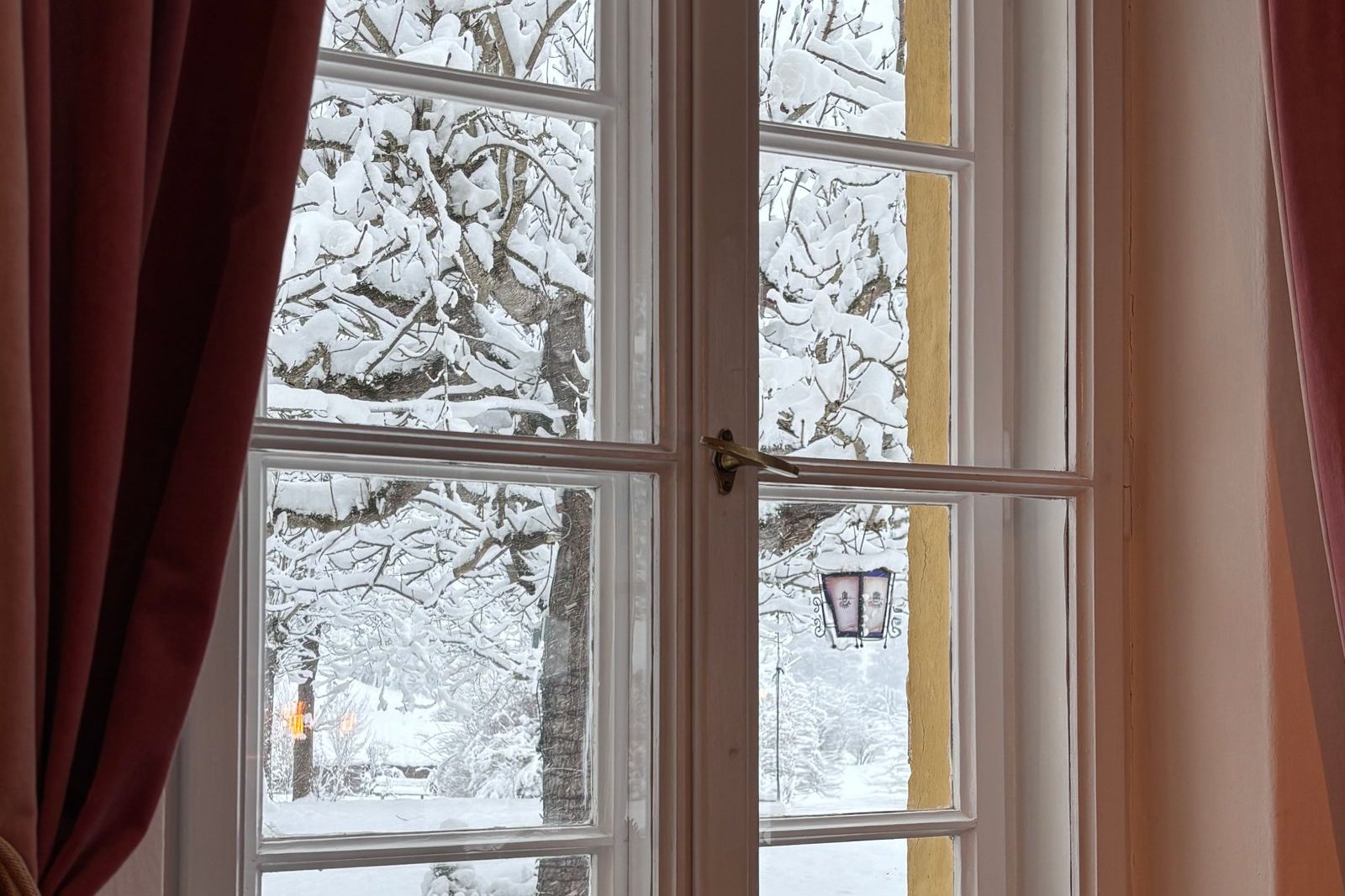
Keep the sun out by day
Close blinds and curtains on the sunny side before the sun reaches them, as Health Canada advises. The US Department of Energy says heat gain and loss through windows accounts for 25% to 30% of home heating and cooling energy, so shading them makes a real difference.
Spend the hottest hours in the coolest room you have, usually a shaded one low in the house. Keep doors to sunny rooms shut so their heat stays put.
Let the heat out at night
Once it’s cooler outside than in, open the windows if it’s safe to, Health Canada says. Windows on opposite sides of the home get air moving through. Close up again in the morning before the day warms.
Fans help, up to a point
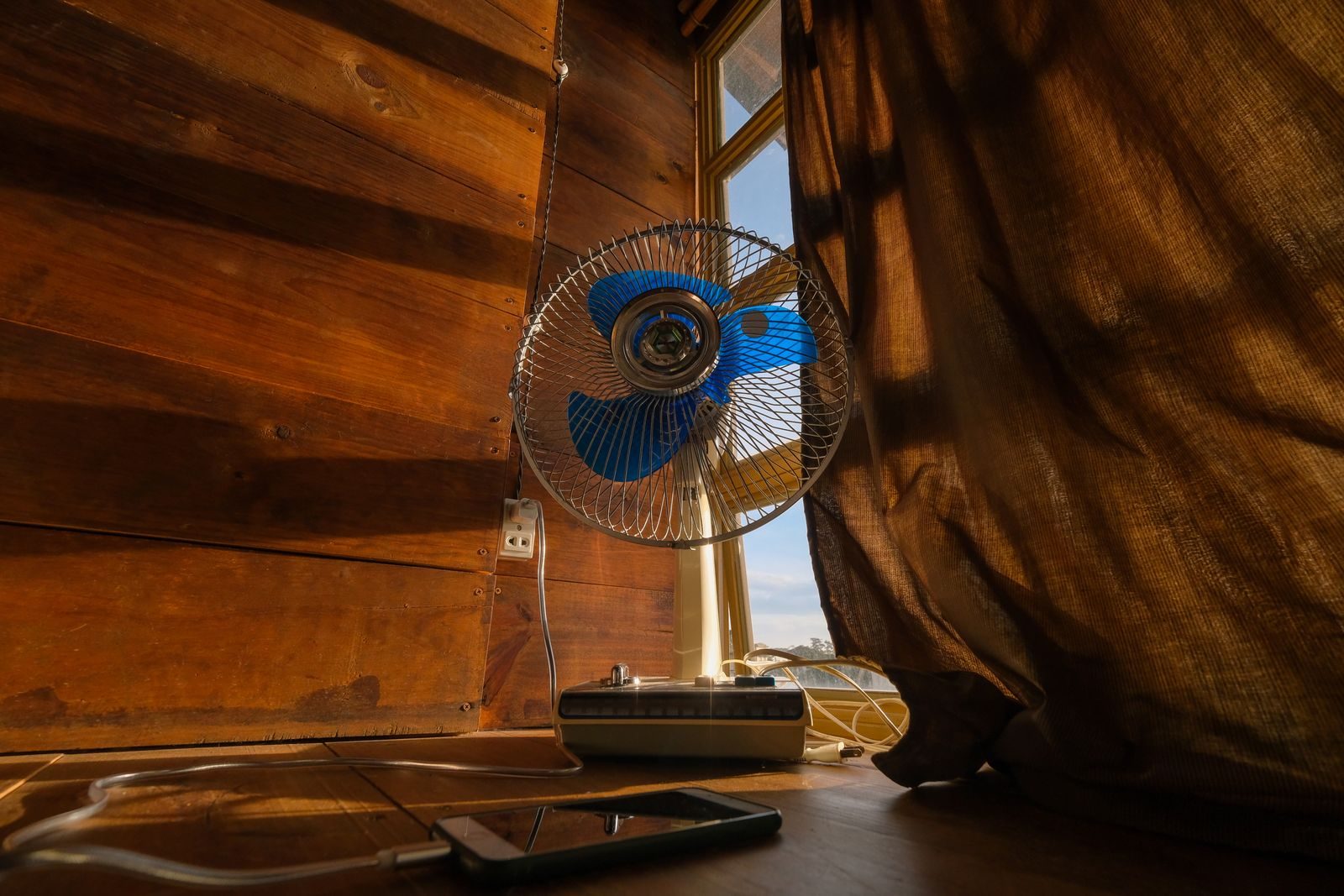
The CDC says to use fans only when indoor temperatures are below 90°F, because above that “a fan can increase body temperature.” Health Canada puts the cut-off at 35°C (95°F). Use the lower figure: above about 90°F (32°C) indoors, don’t rely on a fan alone.
In an outage, that means battery fans or a power station. Small rechargeable fans draw about 5 to 10 W and run 6 to 24 hours a charge, depending on speed. A box or window fan draws 55 to 250 W, so it needs a power station or generator. Power stations lose some energy turning battery power into wall power, so plan on 85% of the label.
| Fan | Draws | One 8-hour night | Hours from a 1,000 Wh station |
|---|---|---|---|
| Battery or USB fan | About 5 W | 40 Wh | 1,000 × 0.85 ÷ 5 = about 170 |
| Box or window fan | About 60 W | 480 Wh | 1,000 × 0.85 ÷ 60 = about 14 |
Plan one fan per bed, and at least two. For 5 people: 5 ÷ 2 per fan = 2.5, so 3 fans. The summer kit in our builder starts with fans, cooling towels, a cooler and a power station of about 1,000 Wh.
Cool your body, not the room
When the room is too hot for a fan alone, add water. Wet your skin or a towel and sit in the breeze; a spray bottle and a fan cool better than a fan alone. Cooling towels work the same way: wet, wring and wear. Cool showers or baths help too (CDC, Health Canada).
The CDC says a few hours in air conditioning, at a mall or library, helps. Your local health department can tell you where air-conditioned shelters are open.
Heat stroke and the 911 rule
Health Canada names the signs of heat stroke plainly: a high body temperature and confusion. Drink water before you feel thirsty, and keep oral rehydration salts or an electrolyte mix for heavy sweating. Arrange regular visits for anyone at risk, especially older neighbours who live alone.
Confusion in the heat means call 911
Heat stroke is a medical emergency. If someone in the heat is confused or has a very high body temperature, call 911, then cool them with water while you wait (Health Canada).
Water and food in the heat
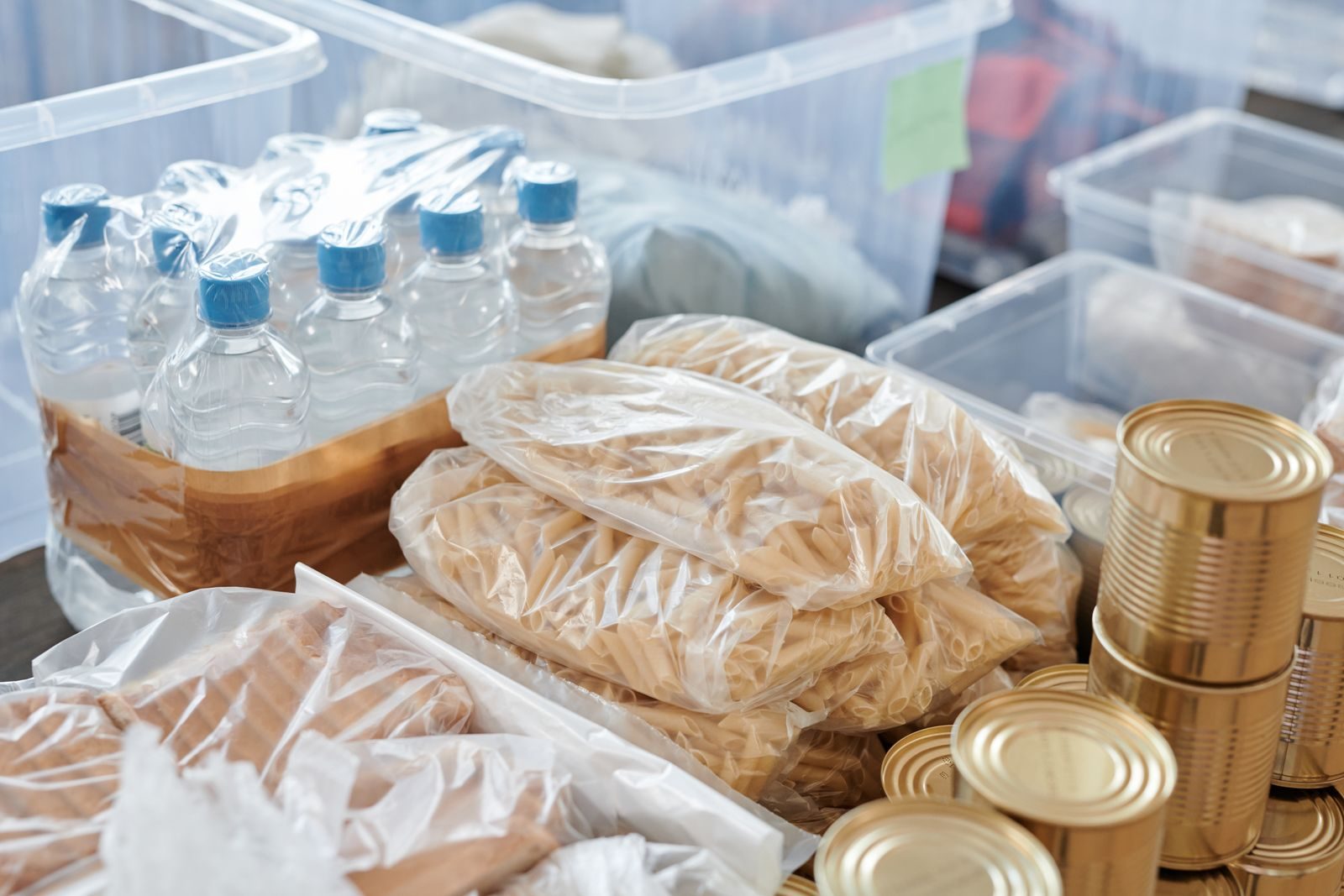
“In very hot temperatures, water needs can double,” Ready.gov says, so don’t ration it. Plan the usual 1 gallon per person per day in the US, or 4 L in Canada, then round up by an extra container in summer. A family of four needs 4 × 7 × 1 gallon = 28 gallons for a week, or four 7-gallon (26 L) jugs; in Canada, 112 L is five jugs. In summer, add one more. Our guide to how much water to store has the full sums.
Food warms faster in summer, so the cooler matters more. A closed fridge keeps food safe for about 4 hours, a full freezer about 48 and a half-full one about 24 (CDC, Health Canada). After 4 hours, move milk, meat and leftovers into a cooler with ice. Throw out perishables that have been above 40°F (4°C) for 2 hours or more. More in keeping food safe when the power goes out.
Medicines feel the heat too. The FDA says insulin can stay unrefrigerated between 59 and 86°F (15 and 30°C) for up to 28 days, but keep it out of direct heat and sunlight, and off direct ice.
Pets in the heat
Pets drink more when it’s hot. We plan ½ gallon (2 L) a day per pet, which is plenty for a cat. Public Safety Canada’s figure of 4 L a day for an average dog makes a sensible ceiling for a big dog in hot weather. Keep bowls full and keep pets with you in the coolest room. Our guide to babies and pets in a power outage covers the rest of their kit.
Generators come out in hurricane season
If you run a generator for the fridge or fans, it goes outdoors only, at least 20 ft (6 m) from windows, doors and vents, never in a garage or on a porch (CDC, CPSC). Keep a battery CO alarm on inside. Our guide to generators and carbon monoxide covers placement and fuel.
Sources (16)
- CDC, Five steps to help your patients stay safe on hot days
- CDC, What to do to protect yourself during a power outage
- Health Canada, Extreme heat: how to protect yourself
- US EIA, Hurricanes in 2024 led to the most hours without power in 10 years
- US DOE, Hurricane Helene Situation Report 15
- BC Government, Coroners Service heat review
- CTV News, Coroners’ review reveals true death toll of B.C.’s 2021 heat dome
- US DOE Energy Saver, Energy-efficient windows
- Virginia Cooperative Extension, Estimating appliance and home electronic energy use
- Jackery, What can Jackery 600 Plus run (runtime formula)
- Ready.gov, Water
- CDC, Keep food safe after a disaster or emergency
- Health Canada, Food and drinking water safety in an emergency
- FDA, Insulin storage and switching between products in an emergency
- Public Safety Canada, Emergency preparedness for pets and service animals
- CPSC, As winter storms impact millions, CPSC issues safety tips
Turn the advice into a shopping list
Tell us who lives at home and how many days you want to cover. We work out the amounts, you pick what to buy and what you already have.
Build a kit for your household
About 5 minutes. We work out the amounts for you.